


Where Does Your Lot Actually Stand?
Listed value and real selling price aren't the same. See if your lot is overpriced, underpriced or sitting for longer than it should be.
January doesn’t just start the year, it sets the market tone for pricing, inventory turnover, and dealership profitability.
Looking at New RV Sales January 2026 across the United States, the data delivers a clear message: RV demand is active, but more strategic, regional, and price-sensitive than in previous cycles.
For U.S. RV dealers planning 2026 inventory acquisition, stocking mix, and pricing strategy, January provides an early blueprint for RV inventory velocity, OEM leverage, and margin expectations.
Sales figures referenced in this analysis are based on verified U.S. transaction records for January 2026 and may include minor estimation variance.
Where New RV Demand Is Concentrated in the U.S.
January sales volume shows strong geographic concentration, with large population and lifestyle states leading retail activity.
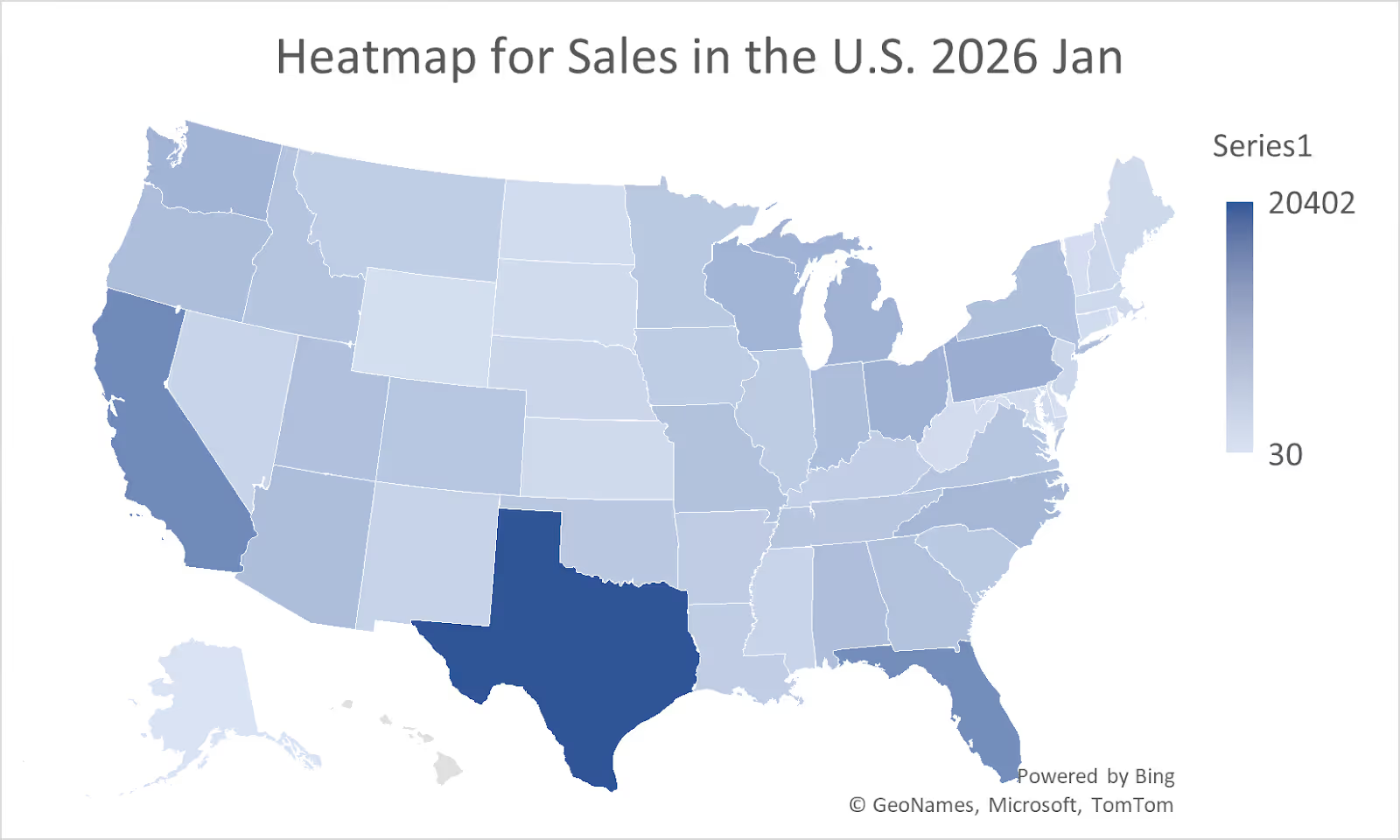
Top states for new RV sales January 2026:
What This Means for RV Dealers
- Sun Belt and Midwest markets continue driving RV inventory turnover
- Secondary Midwest states are quietly outperforming on a per-capita basis
- Cold-weather markets show meaningful winter retail activity, signaling serious, payment-ready buyers early in the year
For dealerships allocating 2026 inventory, ignoring state-level RV demand trends risks slower turns and higher floorplan exposure.
Brand Dominance Remains — But Profitability Signals Are Shifting
January data confirms continued concentration among major manufacturers in the U.S. RV industry.
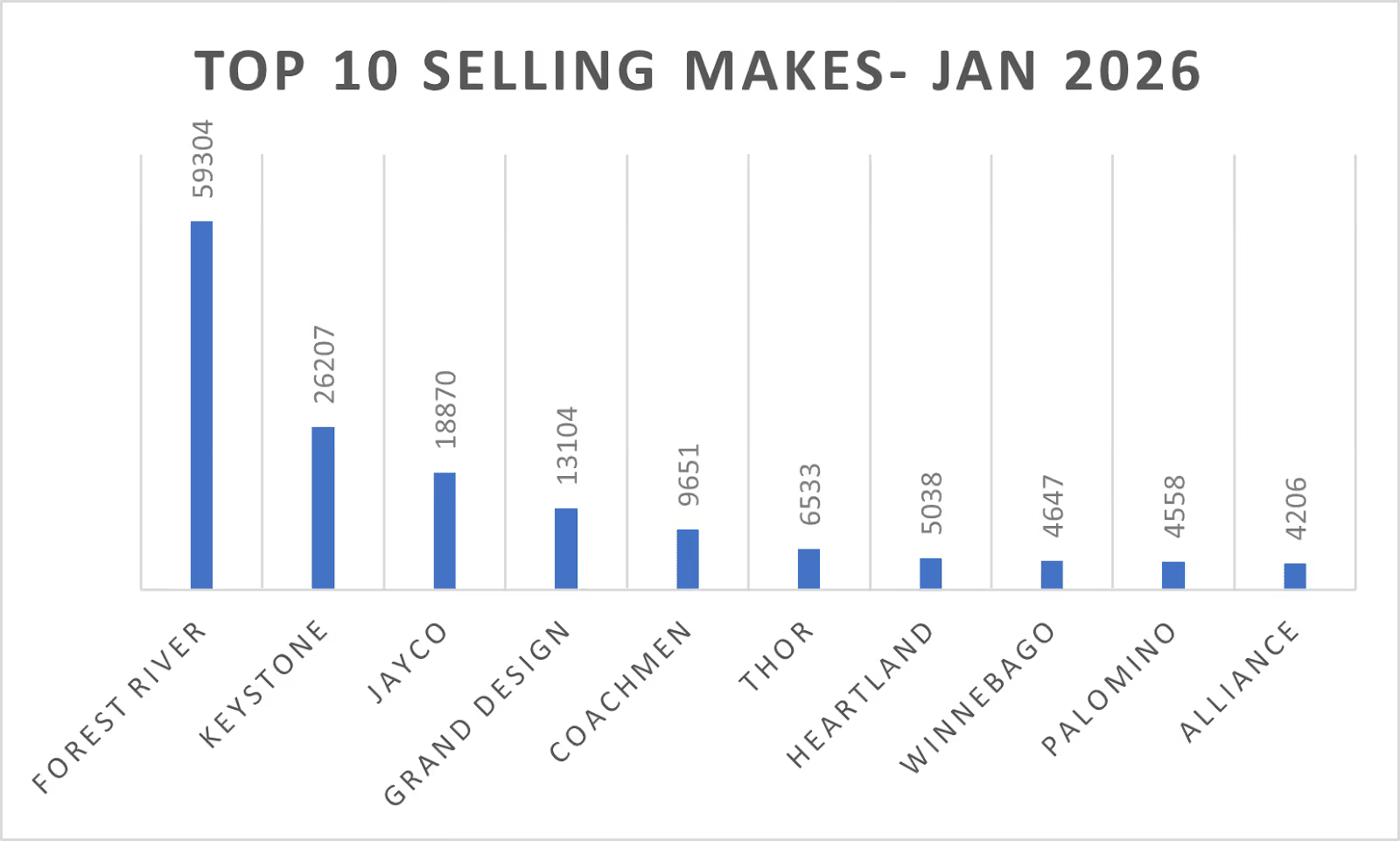
Leading OEM sales:
Strategic Dealer Takeaway
Large OEM portfolios continue to drive showroom traffic and listing visibility. However:
- High volume does not guarantee strong gross margins
- Dealers must track turn rate vs. discount depth
- Inventory aging will influence profitability more than brand mix alone in 2026
The shift from volume-driven strategy to velocity-driven strategy is accelerating across the dealer network.
Model-Level Trend: Entry-Level Towables Continue Leading RV Sales
Top-selling models — including Jay Flight SLX, Cherokee Grey Wolf, Coleman, Jay Feather, and Cougar Half-Ton — reinforce a major industry pattern:
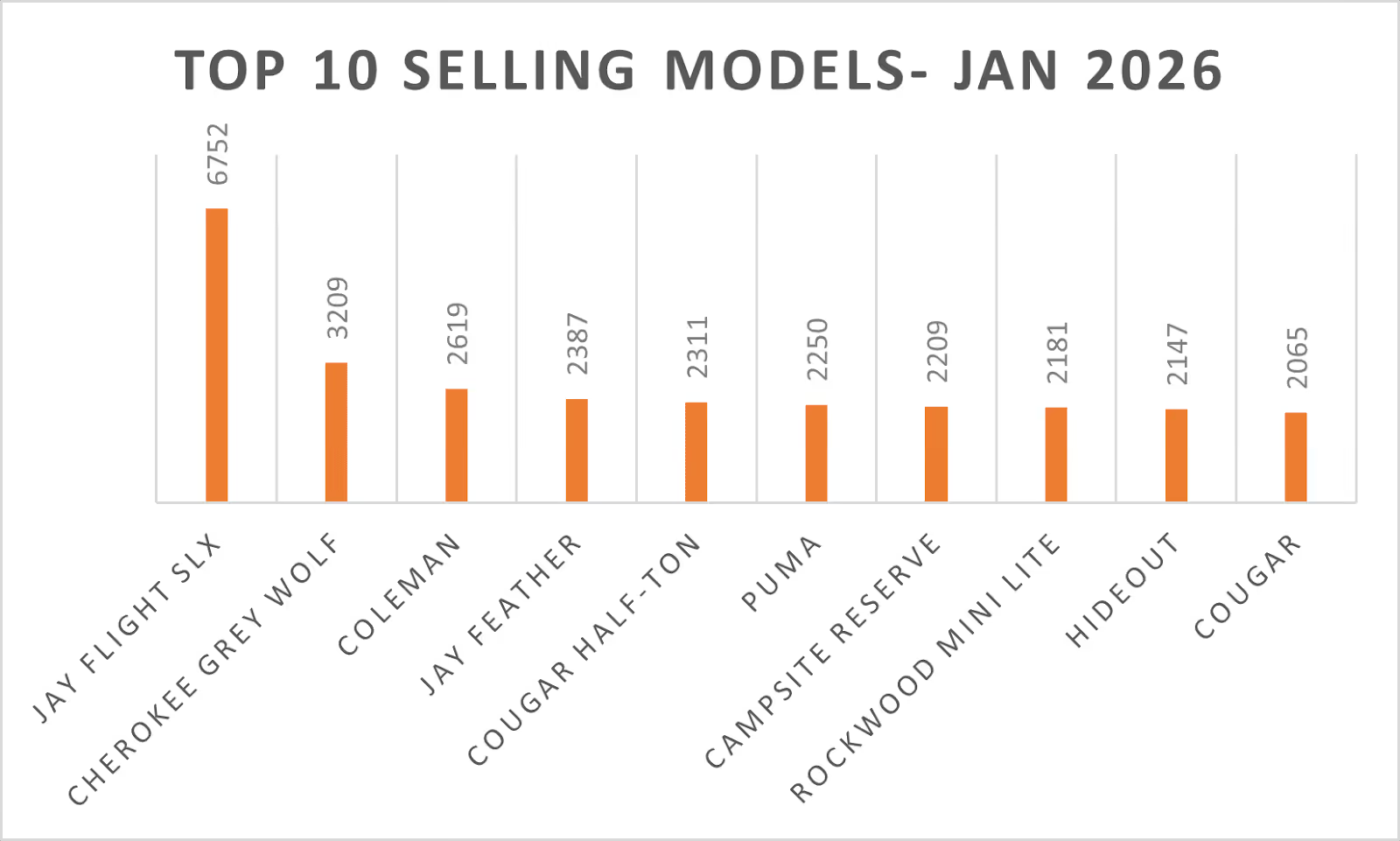
Lightweight travel trailers and value-oriented towables remain the core of U.S. RV demand.
This signals:
- Continued consumer price sensitivity
- Financing-driven purchase decisions
- Stable first-time buyer activity
Stocking Implications for 2026
Dealers should prioritize:
- Lightweight towables
- Strong value price bands
- Floorplans with broad household appeal
Heavy luxury concentration without clear inventory velocity discipline increases risk of 90+ day aging.
What January 2026 Signals for RV Pricing Strategy
The most important signal isn’t raw volume, it’s market structure.
1. Inventory Velocity Is Region-Specific
High-volume states like Texas, Florida, and California support faster turns. Smaller markets require tighter acquisition discipline and earlier pricing adjustments.
2. Brand Strength Doesn’t Offset Overpricing
Even top manufacturers require realistic retail positioning. Dealers operating with 2021 margin expectations face higher aging exposure.
3. Early-Year Sales Confirm Real Retail Demand
January performance shows buyers are actively transacting, not just browsing listings.
The key operational question for dealers becomes:
Will pricing strategy support velocity, or delay it?
RV Market Outlook 2026: What Dealers Should Expect
Based on January 2026 RV sales trends:
- Towable RV segments should remain the volume engine
- Competitive pricing pressure will increase across high-volume brands
- Sun Belt and Midwest states will continue absorbing inventory fastest
- Consumer payment sensitivity will remain elevated
Dealerships aligning inventory acquisition with regional demand, realistic pricing, and days-on-lot discipline will outperform broad national stocking strategies.
Takeaway for U.S. RV Dealers
New RV Sales January 2026 point to a healthy but disciplined RV market.
Demand exists. Buyers are active. But inventory performance now depends on execution.
2026 will reward dealerships that focus on:
- Data-driven stocking strategy
- Market-aligned RV pricing
- State-level demand tracking
- Proactive inventory aging management
Dealers who interpret January correctly will protect margin, improve cash flow, and control inventory performance throughout the year.
RV Market Intelligence, Delivered Weekly.
Actionable insights on pricing shifts, inventory velocity, competitive positioning built from market derived intelligence.

.avif)
.avif)
.svg)






-
Heading 2
Heading 3
Heading 4
Lorem ipsum dolor sit amet, consectetur adipiscing elit, sed do
Ordered list
Unordered list
Text link
Bold text
Emphasis
-